General
Understanding Gas Furnace Installations
Getting a gas furnace installed changes how a home stays warm, whether swapping an old one or adding a new system during a remodel. A gas furnace acts like the heart of most heating systems, so a good install means better comfort, lower energy bills, and quiet, safe operation for years. A solid install can cut heating costs by as much as 30 percent and makes the furnace last way longer. Seeing installs firsthand shows how a great job fixes annoying drafts, weird smells, and strange noises that ruin a home’s feel. Homeowners who know the process work with installers to dodge expensive mistakes. Feeling cozy and safe isn’t luck—it comes from smart choices and teamwork that keep things running smooth. Keep reading to find out how to get the most from upgrading a furnace.
Read on for practical tips, clear explanations of technical terms, and examples that illustrate common pitfalls. The goal is to give you enough information to ask the right questions when talking to a contractor and to recognize good work when you see it.
Understanding Gas Furnace Installations for Homeowners
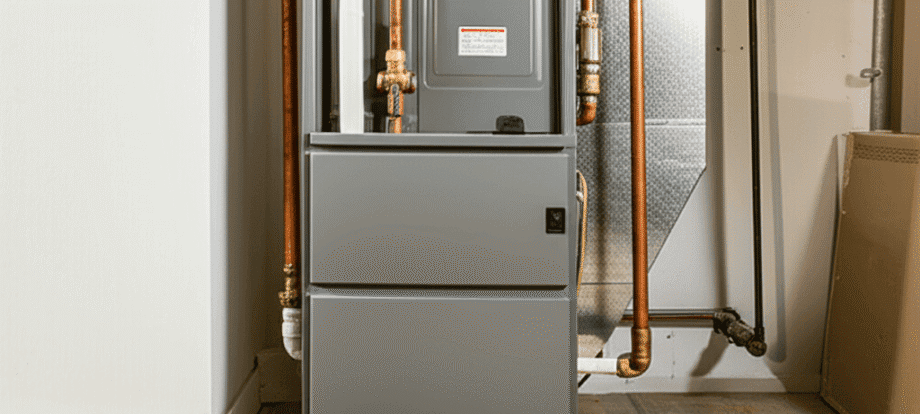
At a basic level a gas furnace converts fuel into heat and distributes that heat through your home. The installation covers physical placement, duct connections, venting for combustion gases, fuel supply connections, thermostat wiring, and initial system setup. Getting each of these pieces correct is essential for safety and performance.
For example improper venting can lead to carbon monoxide hazards while undersized ductwork can create poor airflow and short cycling. A well executed job pays off in steady warmth, lower fuel use, and fewer service calls.
Signs You Need a New Gas Furnace Installation
Many homeowners are unsure whether to repair an older furnace or replace it outright. Here are common indicators that replacement is the more practical choice.
- Age above 15 years with increasing repair frequency
- Declining heat output or uneven room temperatures
- Significant rise in gas bills without change in usage habits
- Repeated pilot or ignition failures
- Frequent short cycling where the system switches on and off rapidly
When you see several of these signs together the cumulative cost of repairs and higher fuel use often exceeds the investment in a new, properly sized unit.
Choosing the Right Size and Efficiency Rating
Two technical factors determine the best furnace for a home size and energy goals. The first is heat output capacity measured in BTU per hour. The second is efficiency measured by AFUE rating which shows how much fuel becomes usable heat.
Sizing factors to consider
Contractors calculate required capacity using home square footage, ceiling height, insulation levels, window quality, and local climate. An oversized furnace will cycle on and off too often causing wear and increased humidity problems. An undersized furnace will struggle to reach set temperatures and run constantly.
Example calculation with rough math illustrates the point. A modest 1 500 square foot home in a mild climate often needs a unit rated between 40 000 and 60 000 BTU. A colder climate or poor insulation will push that requirement higher. A professional load calculation is the right way to find the correct rating.
AFUE explained and why it matters
AFUE stands for annual fuel utilization efficiency and it expresses the percentage of fuel that becomes heat. A 90 percent AFUE furnace converts 90 percent of the gas into warmth and loses 10 percent through venting and other factors. Higher AFUE units lower fuel bills but may cost more up front. Consider payback time when comparing models and select a level that matches how long you plan to stay in the home.
Gas Furnace Installation Steps from Start to Finish
Knowing the typical installation sequence helps homeowners follow progress and confirm each step is complete. A clear process also reduces surprises on the invoice.
Pre installation activities
Before technicians arrive a site visit and measurements should be completed. This includes verifying flue location, gas line capacity, and access for moving equipment. If ductwork needs modification that work is scheduled in advance. Permits and local code checks are part of this phase so confirm who will pull permits and who will perform inspections.
Installation day tasks
On the day of installation expect the team to remove the old unit, inspect and repair any duct connections, position the new furnace, connect the gas line with proper fittings and leak testing, install combustion venting, and complete electrical and thermostat wiring. After mechanical work a start up sequence checks ignition, flame pattern, blower operation, and system controls. Finally technicians should explain operation and hand over manuals and warranty details.
Common Installation Mistakes and How to Avoid Them
Some issues are common when installations are rushed or not performed by properly trained technicians. Watch for these problems and ask questions if you see them.
- Incorrect sizing based on guesswork instead of a load calculation
- Poor venting slopes or wrong flue materials that allow condensation or leaks
- Loose or leaking duct connections that reduce airflow and comfort
- Improper gas piping size that restricts flow or causes uneven burner performance
- No combustion safety testing or skipped carbon monoxide checks
A reliable contractor will show you permit paperwork, describe the load calculation, and perform combustion tests in your presence if requested. If the crew seems hurried or cannot explain their steps ask for references or consider a second estimate.
Maintenance Tips to Extend Lifespan After Installation
A new installation will run smoothly longer when followed by a small set of maintenance actions. Annual service visits keep burners and controls clean, check heat exchanger integrity, and adjust gas pressure if needed.
- Change or clean filters every one to three months depending on filter type and household conditions
- Keep return vents and supply registers free from obstruction
- Schedule an annual tune up before the heating season starts
- Check the area around the furnace for stored items or dust buildup and keep it clear
- Test carbon monoxide detectors regularly and replace batteries as recommended
Routine care reduces the chance of emergency breakdowns and supports warranty compliance. Ask your installer for a basic maintenance checklist so you know what to expect from a service visit.
Costs Warranties and When to Replace Instead of Repair
Installation cost varies with unit size, AFUE rating, venting changes, and local labor rates. A straightforward replacement of like for like often costs less than one that requires ductwork upgrades or new gas piping. Get multiple itemized estimates and verify which components are included.
Warranties typically cover the heat exchanger and parts for different lengths of time. Read the fine print to learn what maintenance is required to keep the warranty valid and whether labor is included. Manufacturer registration may be required within a set period to activate extended coverage.
Deciding between repair and replacement usually comes down to age of the unit and the cost of the repair. A simple guideline many technicians use is the 50 percent rule. If the repair costs more than half of a new furnace and the current unit is over 10 years old replacement is often the better value when factoring future repairs and efficiency.
Choosing a Contractor and What to Ask
Selecting a contractor matters as much as the choice of equipment. Look for licensed heating contractors with local references and clear written estimates. Ask for a detailed scope of work and a timeline for completion. Questions to ask include whether permits will be pulled who will do the gas piping and how combustion safety will be verified after installation.
If you prefer to work with a local company that provides organized installation and post job service consider this option for a straightforward process Berkeys Southlake TX Heating Contractor Gas Furnance Installation which lists local service choices and installation services.
Understanding Gas Furnace Installations helps you move from uncertainty to confidence when replacing or installing a system. A careful approach to sizing, venting, and workmanship reduces safety risks and unwanted costs. Before signing a contract get a written estimate, confirm permit handling, and ask how the crew will test the system on completion. Prioritize technicians who perform a proper load calculation and who provide clear test results after start up.
Conclusion
Choosing the right gas furnace and having it properly installed is one of the most impactful home improvement decisions for winter comfort and monthly energy costs. Proper sizing, correct venting, careful gas and electrical connections, and an organized start up sequence all matter. After installation regular filter changes and annual tune ups keep the system running well and protect warranty coverage. When in doubt request a second estimate and ask the installer to walk you through the load calculation and combustion testing steps. If you need a local resource for installations and follow up service check available contractors in your area and arrange an on site evaluation. Taking these steps will protect your family and your investment. Call a qualified heating professional today to schedule a consultation or an on site estimate and move forward with a plan that matches your home and budget.